
With India focusing strongly on environmental protection, plastic waste management has become a serious legal and social responsibility. For Producers, Importers, and Brand Owners (PIBOs), obtaining an EPR Certificate for Plastic Waste through proper EPR Registration for Plastic Waste is now essential to run a compliant and future-ready business.
This article explains why EPR certification is a smart compliance move and how it helps businesses stay legally safe and environmentally responsible.
What Is an EPR Certificate for Plastic Waste?
An EPR Certificate for Plastic Waste is an official authorization issued under the Plastic Waste Management Rules. It confirms that a PIBO is responsible for managing the plastic waste generated from its products and packaging.
Through EPR Registration for Plastic Waste, businesses commit to:
Collecting post-consumer plastic waste
Ensuring recycling via authorized recyclers
Reducing plastic pollution
Reporting compliance to CPCB
Why the Government Enforces Plastic EPR Strictly
Plastic pollution has become a nationwide issue. To control it, CPCB has strengthened EPR enforcement because:
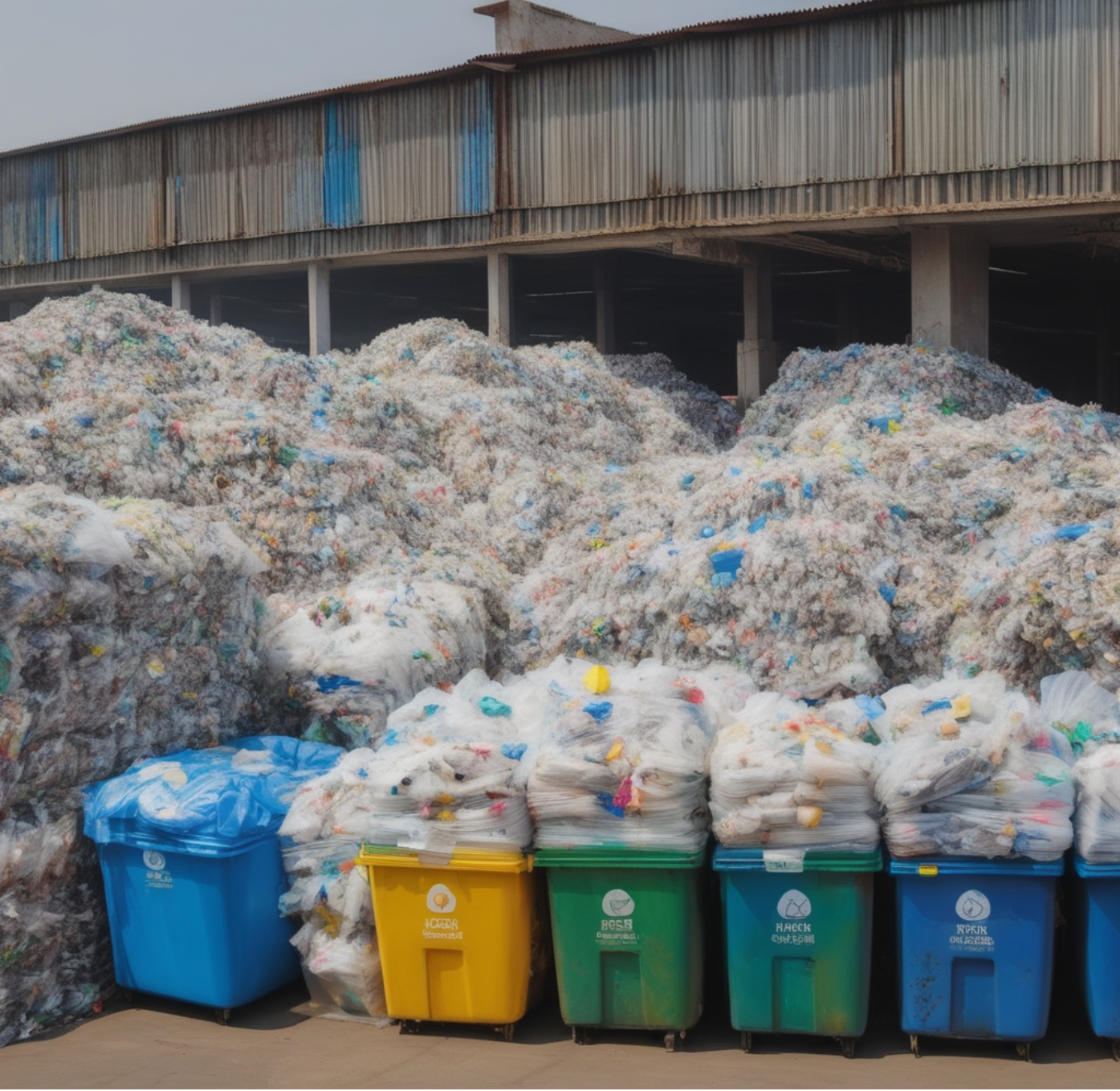
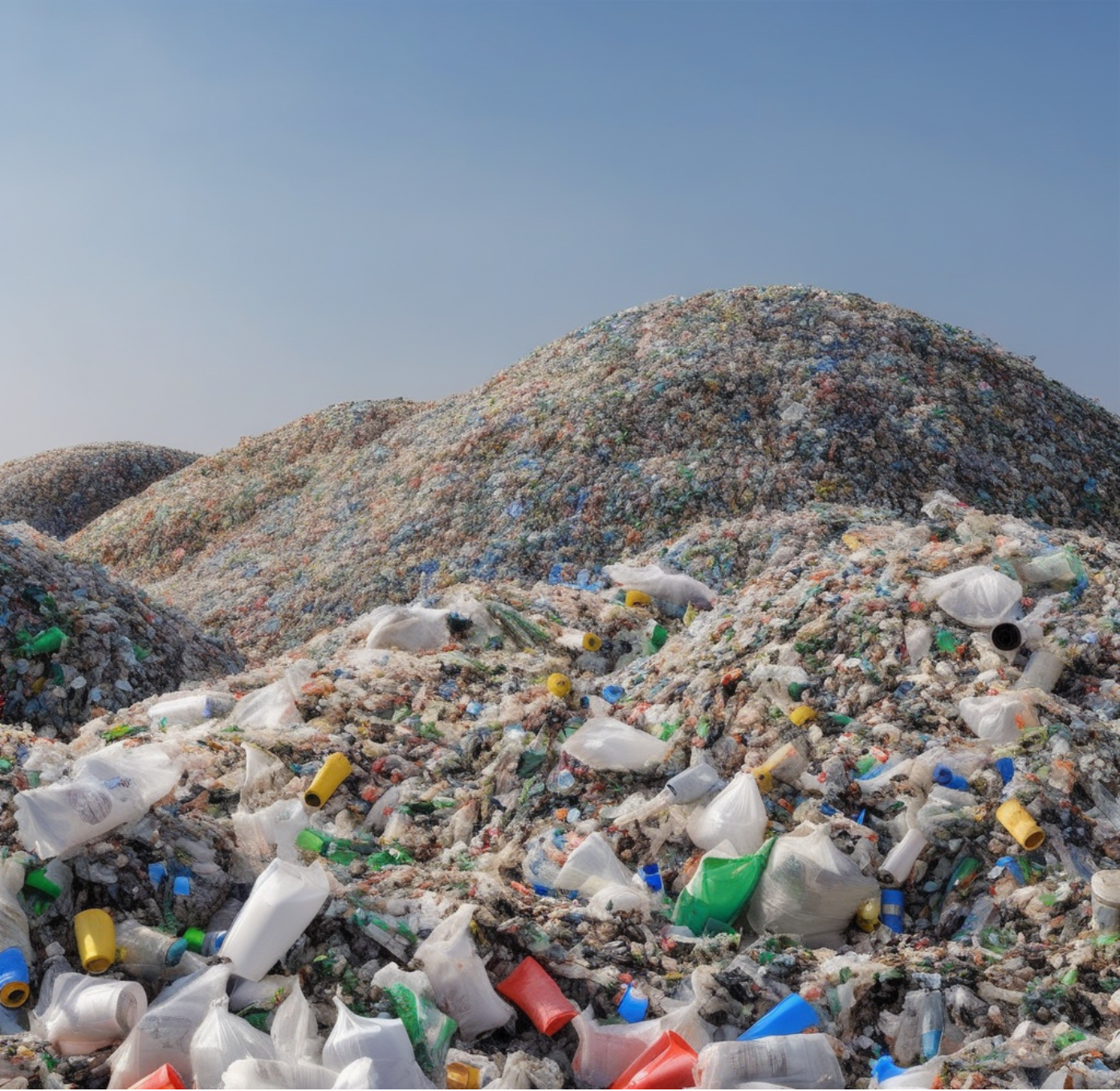
Plastic waste generation is increasing every year
Landfills are reaching capacity
Improper disposal harms soil and water
Recycling needs structured accountability
That’s why EPR Registration for Plastic Waste is now actively monitored and non-compliance is penalized.
Who Is Required to Get an EPR Certificate?
Any business that introduces plastic packaging into the Indian market must obtain an EPR Certificate for Plastic Waste, including:
Plastic packaging manufacturers
Importers of plastic-packaged goods
Brand Owners selling packaged products
FMCG companies
E-commerce sellers and marketplaces
Even small businesses are not exempt from EPR Registration for Plastic Waste.
Business Risks of Ignoring EPR Compliance
Not having an EPR Certificate for Plastic Waste can result in:
Environmental compensation penalties
SPCB/CPCB legal notices
Import or shipment blockage
Suspension of manufacturing or sales
Loss of customer and distributor trust
Compliance is always cheaper than penalties.
How EPR Certification Benefits Your Business
✔ Legal Protection
An EPR Certificate for Plastic Waste shields your business from regulatory action.
✔ Improved Brand Reputation
Customers trust environmentally responsible brands.
✔ Smooth Market Operations
No issues with distributors, customs, or marketplaces.
✔ Long-Term Sustainability
EPR helps your business align with India’s green goals.
Simple Process for EPR Registration
Here’s how PIBOs complete EPR Registration for Plastic Waste:
Register your business on the CPCB EPR portal
Submit plastic packaging usage details
Upload required documents
Apply for CPCB verification
Receive your EPR Certificate for Plastic Waste
Post-Certificate Responsibilities
After approval, businesses must:
Meet annual recycling targets
Work with authorized recyclers
Upload recycling proof
Submit annual EPR returns
Failure to maintain compliance may lead to cancellation of the certificate.
How Ewour Waste Management Makes EPR Easy
Ewour Waste Management provides complete support for:
End-to-end EPR Registration for Plastic Waste
Packaging data analysis
CPCB portal filing and follow-ups
Authorized recycler tie-ups
Annual EPR compliance reporting
With Ewour, your compliance remains simple, accurate, and stress-free.
Conclusion
An EPR Certificate for Plastic Waste is not just a regulatory requirement—it is a mark of a responsible and future-focused business. Completing EPR Registration for Plastic Waste protects your operations, strengthens your brand image, and contributes to a cleaner India.



Write a comment ...